
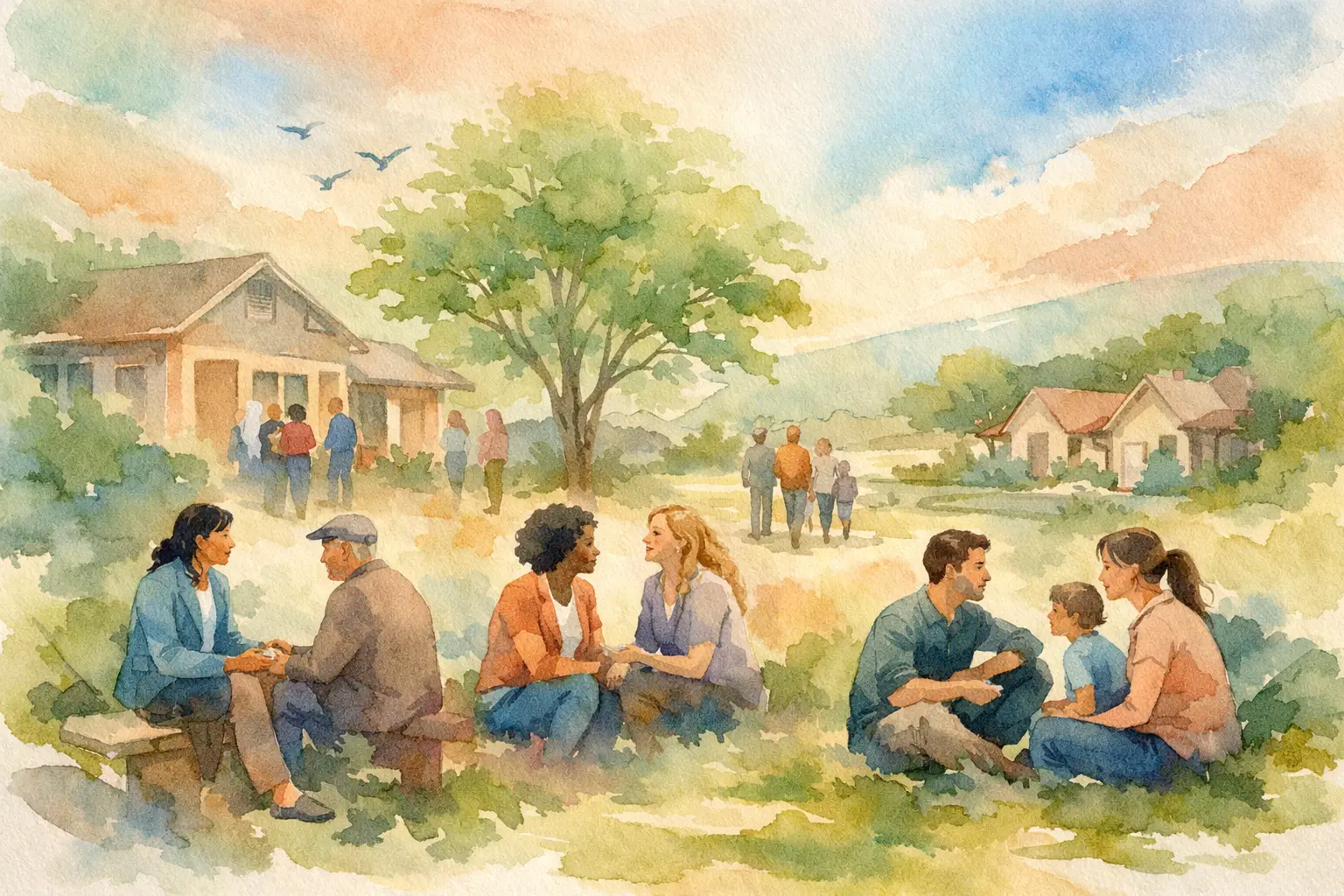
When someone is already carrying stress, grief, overwhelm, or the effects of trauma, the last thing they need is another barrier. Long waitlists, high fees, unfamiliar systems, and settings that feel cold or judgmental can make support feel far away. That is why the benefits of community based mental health services matter so deeply. They bring emotional support closer to real life, where safety, trust, and human connection can begin without shame, without fear, and without the pressure to fit into a system that was never built for everyone.
Why community based mental health services matter
Community-based support changes more than location. It changes the experience of being helped. Instead of expecting people to adapt to rigid systems, it meets people where they are emotionally, culturally, financially, and practically.
For many individuals and families, this is the difference between reaching out early and waiting until things feel unbearable. Community services often feel more approachable because they are rooted in relationship, familiarity, and dignity. That does not mean every community setting is automatically safe or effective. It means the model has the potential to reduce distance between support and the people who need it most.
When support is designed around real people rather than gatekeeping, it becomes easier to ask for help, easier to stay engaged, and easier to build tools that actually fit daily life.
8 benefits of community based mental health services
1. Support is easier to access
One of the clearest benefits of community based mental health services is access. Traditional systems can feel financially out of reach, geographically limited, or emotionally intimidating. Community-based support often lowers those barriers through affordable options, early-intervention spaces, group support, online access, and services built for everyday people, not only those who already know how to navigate formal care.
Accessibility is not only about cost or convenience. It is also about emotional access. People are more likely to engage when support feels human and understandable. If someone has felt dismissed, judged, or overwhelmed in the past, a more community-centered approach can create a gentler path back to trust.
2. People can get help earlier
Early support matters. Small struggles do not stay small when people are left alone with them for too long. Community-based services often make it easier for people to seek help before distress grows heavier, relationships break down, or daily life becomes harder to manage.
This early-intervention role is one of the most practical strengths of the model. It helps people name what they are feeling, understand their stress responses, and find tools for regulation and connection sooner. That can reduce the sense of crisis and support steadier healing over time.
Of course, early support only works when it feels safe enough to use. If a service is technically available but still feels shaming or inaccessible, people may still stay away. The quality of the environment matters as much as the timing.
3. Care feels more human and less intimidating
Many people do not avoid support because they do not care about their wellbeing. They avoid it because they fear being misunderstood, judged, or reduced to a problem. Community services can soften that fear by creating spaces that feel relational rather than hierarchical.
That human quality matters. When people feel seen as people first, they are more likely to speak honestly, stay connected, and practice new skills. A calm, non-judgmental environment can help the nervous system settle enough for real change to happen.
This is especially important for communities that have been overlooked or harmed by systems that felt impersonal or culturally disconnected. Safety is not a soft extra. It is the starting point.
4. Support can reflect culture, community, and lived reality
No two communities are exactly alike. Language, family roles, faith, identity, history, migration, poverty, discrimination, and local stressors all shape how people experience emotional pain and what kind of support feels acceptable. Community-based models are often better positioned to respond to those realities with more flexibility and cultural awareness.
That does not mean every local service automatically gets it right. Community spaces can still miss people if they are not actively inclusive and trauma-informed. But when done well, they are far more able to adapt support to lived experience instead of forcing everyone into one narrow way of being helped.
This kind of adaptability builds trust. It tells people they do not need to leave parts of themselves at the door to receive care.
The benefits of community based mental health services for relationships
5. Healing can extend beyond the individual
Emotional distress rarely affects just one person. It can shape parenting, partnerships, friendships, school experiences, workplaces, and whole family systems. One of the strongest benefits of community based mental health services is that they recognize this wider picture.
Community support can involve families, caregivers, peer groups, schools, faith spaces, and local leaders in ways that strengthen the environment around a person, not just the person alone. That creates more opportunities for understanding, co-regulation, and practical support in daily life.
This broader approach can be especially helpful when someone needs consistency outside of one session a week. If the people around them also learn safer ways to communicate and respond, progress can feel more stable and less lonely.
6. Communities build their own capacity to care
A healthy community does not depend only on a small number of professionals. It grows when everyday people have practical, safe tools to respond with compassion and steadiness. That might mean teachers learning how to create emotionally safer classrooms, managers building calmer workplaces, or community leaders understanding how to respond without shame or panic.
This is where community mental health becomes more than a service. It becomes a shared skill set. When people learn how regulation, connection, and emotional safety work, support becomes more scalable and more sustainable.
There is a balance to hold here. Community capacity should never mean untrained people carrying more than they can safely hold. Good training, clear boundaries, and referral pathways still matter. But when communities are equipped well, they can reduce isolation and create many more moments of meaningful support.
7. It can reduce financial and practical strain
Traditional therapy can be life-changing, but it is not always affordable or available at the pace people need. Community-based services often provide lower-cost, funded, or more flexible options. For many families, that alone can determine whether support is possible.
The practical savings go beyond session fees. Online delivery, local availability, and group-based options can reduce travel time, childcare pressure, and missed work. Those details are not minor. For people managing stress, caregiving, financial hardship, or limited transportation, practical barriers can quietly become emotional barriers too.
Affordable support is not lesser support. In many cases, it is simply support designed with real life in mind.
8. It strengthens connection and belonging
Isolation can make emotional pain feel heavier. Community-based support helps counter that by reminding people they do not have to carry everything alone. Whether through group spaces, peer connection, family-centered work, or local wellbeing programs, these services can create a stronger sense of belonging.
Belonging supports healing because people regulate better when they feel safe with others. They are more likely to ask for help, practice new habits, and believe that change is possible. Connection does not erase pain, but it can make pain more survivable.
For organizations such as AINT Foundation CIC, this is a core part of the work: treating emotional support as something communities can grow together, not a privilege reserved for those who can navigate complex systems.
Where community services work best – and where caution is needed
Community-based care has real strengths, but honest conversations matter. It is not a magic fix, and quality varies. A community setting is only helpful if it is genuinely safe, well-held, trauma-informed, and clear about what it can and cannot offer.
Some people may want one-to-one private support alongside community care. Others may need flexible options that change over time. For some, online services open doors. For others, in-person connection feels more grounding. It depends on the person, the season they are in, and whether the support offered truly respects their dignity.
The best model is rarely the most clinical or the most informal. It is the one that helps people feel safe enough to engage, supported enough to grow, and respected enough to stay connected to themselves and others.
Community based mental health services matter because healing does not happen through access alone. It happens when people feel safe, understood, and able to take the next step as they are.