Trauma does not only live in memory. It can change how the brain scans for danger, how the body responds to stress, and how safe connection feels. Rewiring the Mind: How Trauma Shapes the Brain & the Path to Healing is not just a powerful phrase. It reflects what many people live every day when they feel stuck in survival mode, even when the threat has passed.
For some, trauma shows up as anxiety, shutdown, anger, people-pleasing, numbness, or exhaustion. For others, it looks like difficulty trusting, trouble sleeping, or feeling constantly on edge without knowing why. These responses are not signs of weakness or failure. They are signs that the brain and body adapted to survive.
How trauma shapes the brain
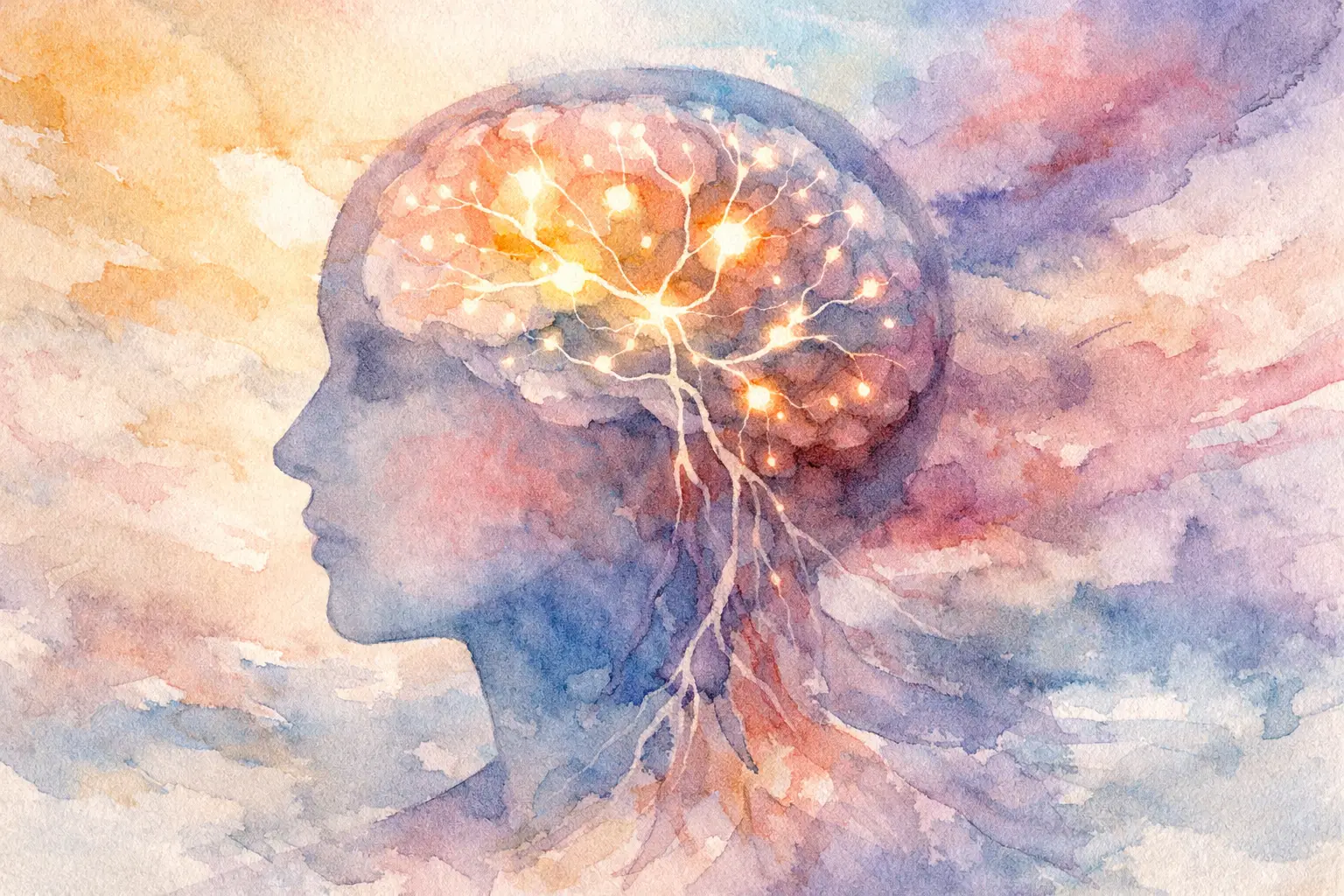
When a person lives through overwhelming stress, especially repeated or relational trauma, the brain learns to prioritize protection over calm. The amygdala, which helps detect threat, can become more reactive. That means the brain starts sounding the alarm faster, even in situations that are not actually dangerous.
At the same time, the prefrontal cortex, which supports planning, reasoning, and emotional regulation, can become less available under stress. This is why someone may know logically that they are safe but still feel panicked, frozen, or flooded. The body is responding before the thinking brain can catch up.
The hippocampus, which helps organize memory and place experiences in time, can also be affected. Trauma memories may feel immediate rather than past. A smell, tone of voice, or conflict can trigger the nervous system as if the original event is happening again. This is one reason trauma can feel so confusing. The reaction may seem bigger than the current moment because the brain is pulling old danger into the present.
Why survival responses get misunderstood
Many trauma responses are mislabeled as bad behavior, attention-seeking, laziness, or overreaction. In reality, they are often intelligent adaptations. Fight, flight, freeze, and fawn are all ways the nervous system tries to keep a person safe.
A child who learned to stay quiet may grow into an adult who struggles to speak up. A worker who appears defensive may be responding to perceived threat, not refusing feedback. A young person who seems checked out may be in shutdown, not disrespect. When we shift from judgment to understanding, support becomes more effective.
This is where trauma-informed care matters. It asks a different question. Not what is wrong with you, but what happened to you, and what do you need now to feel safe enough to heal.
The path to healing is not about forcing positivity
Healing does not mean pretending the trauma did not happen. It does not mean thinking your way out of pain or becoming calm on command. It means helping the brain and body learn that safety, connection, and choice are possible again.
That process often begins with regulation. Before deep reflection or behavior change, the nervous system needs support. Breathing, grounding, movement, rhythm, rest, and safe human connection can all help the body come out of constant alert. These are not small things. They are part of how the brain rewires.
Repetition matters. The brain changes through experience, not just insight. A person may need many moments of being met without judgment, without shame, without fear before their system starts to believe that safety is real. This is why healing rarely happens through information alone. It happens through consistent, embodied experiences of care.
Rewiring the mind after trauma in real life
Rewiring is not always dramatic. Often it looks quiet and gradual. It can look like noticing a trigger before it takes over. Pausing instead of reacting. Asking for help. Sleeping a little better. Feeling less afraid of your own emotions. Trusting one safe relationship where there used to be none.
For professionals and community leaders, this has practical implications. Schools, workplaces, faith groups, and support services do not need to become therapy rooms to become safer. They can learn how to reduce shame, respond with calm, and create environments where people are less likely to stay trapped in defense.
That might mean using clear and non-threatening communication, offering choice where possible, understanding that behavior has context, and recognizing that connection is often more regulating than correction. Structure matters, but so does dignity.
AINT Foundation CIC builds on this kind of thinking by making trauma-informed support more accessible beyond formal therapy settings. That matters because healing is strengthened when everyday spaces become more emotionally safe, not just clinical ones.
What helps the brain heal
There is no single path that works for everyone. Some people need one-to-one therapy. Others benefit from community support, psychoeducation, faith-based care, peer connection, or structured training that helps families and teams respond differently. Often, healing involves a combination.
What tends to help is consistency, relational safety, and approaches that do not pathologize the person. Shame can deepen trauma. Compassion can soften it. The goal is not dependency. The goal is growing a person’s capacity to feel, respond, connect, and recover with greater freedom.
Progress is rarely linear. Stress, loss, and change can reactivate old patterns. That does not mean healing has failed. It means the nervous system still needs support. With time, practice, and safe relationships, many people do experience meaningful change.
The brain can adapt to survive, and it can also adapt toward healing. That is where hope lives – not in pressure to be fine, but in the steady rebuilding of safety, connection, and self-trust.